Wednesday, July 29, 2026
Home Blog Page 41

The Complete History of Marvel Studios

0

Today we’re on the verge of the US release of Marvel Studios’ Captain America: The Winter Soldier. Also, 2014 marks the 70th anniversary of Marvel superheroes appearing in cinemas! To celebrate such landmarks, ComicUI has written and Pickled Comics has illustrated the complete History of Marvel Studios.

Since the theatrical release of Captain America in 1944, Marvel has been producing more films based on their characters over the years. Releasing this week, The Winter Soldier stars another version of Captain America, and will mark 70 years of Marvel characters appearing on the silver screen. Normally, we would be concerned with a character in their 90s trying to be a spry Super Soldier and still appeal to today’s mainstream audience, but thankfully Stan Lee is only making a cameo appearance in this one. (Editor’s note: Dear Stan, don’t hate us.) But that made us realize Marvel Studios as we know it today is only a baby compared to the Marvel Comics company in its entirety.

Through an intimate collaboration with two growing websites, we will be presenting a 3 Part History of Marvel Studios event narrated by ComicUI and illustrated by Pickled Comics. We wanted to honor the 70th anniversary of Marvel’s film presence, as well as the release of their new movie, Captain America: The Winter Soldier.

It is hard to imagine watching superhero movies as they are without the large influence Marvel Studios has had on popular culture and other film productions around the world. However, we will be presenting the history of Marvel characters in film and television at the dawn of the motion picture medium, through the 1990s Marvel bankruptcy, and ultimately ending on the modern emergence of superhero films and the creation of Marvel Studios. Come back each day to follow the story and see how we got to this week’s newest release, The Winter Soldier.

Select each image below to be taken to the respective section of Marvel’s history and view the gallery below to see the work by Mike Royer of Pickled Comics. Enjoy!

History of Marvel Comics Part 1 history of marvel studios part 2 history of marvel part 3


And Pickled Comics’ Visual History gallery! To see the full images, please click on each image below or head over to the Full Gallery.


History of Marvel Studios – Part 3

0

Today, we finally arrive at the end of our journey chronicling the history of Marvel Studios. As you’ve undoubtedly read our recap of events from the 1940s to 2007 and seen their beautiful illustrations, we’ll pick up on our finale starting in 2008. Starting not so long ago in a cinematic universe not too far away.

Don’t forget to catch up with Part 1 and Part 2 at ComicUI, and then head over to Pickled Comics to see Part 1 and  Part 2 interpreted.

We want to thank everyone who has helped ComicUI and Pickled Comics over the past week, as well as putting up with our crazy notions as far back as December. We may be proud of our work and want to shove it in everyone’s faces, but we really do appreciate all the support and feedback. Thank you all!

Tomorrow, head back to see the complete collection of the articles, and then Friday you can expect our review of CAPTAIN AMERICA: THE WINTER SOLDIER.


History of Marvel Studios – Part 3

After Spider-Man 3’s commercial success, but critical failure, things were looking bleak as 2007 closed out. The ratio of hits to misses was starting to even out for the studios. After the strongest run of the Marvel golden era was in its infancy, those invested in the films were struggling to bring life to the dying traditions.

In the darkest hour of films based on Marvel characters, a light appeared, ushering in the new, “silver era” of comic book films. Without so much as anyone noticing, Marvel had created their own studio entity (Marvel Studios, duh) to focus on the film and television side of the industry. They have grown to be synonymous with success, popularity, and fame, but they weren’t always that way. Their first venture: Iron Man.

Before 2008, Iron Man was a B-list comic book character and nowhere near the household name we know now. Due to previous addictions and legal trouble, Robert Downey Jr. was one of the highest-risk actors in the industry, to the point where studios would not insure his casting in hardly any films. Marvel Studios had no experience in making films and had yet to establish themselves as a proven company. This was a huge risk, even for superhero films.

article-images-part3-1However, Marvel did something new and different. Their risks weren’t entirely unfounded and Iron Man had other legs to hold itself up. The first and most apparent of these hopeful assurances was the inclusion of big name actors. Upon casting RDJ as Tony Stark, who could very well be the real life incarnation of the comic book character, they also chose to include known actors with positive reputations. First and foremost, they included The Dude himself, Jeff Bridges, to portray the main antagonist in the film. From Tron through The Big Lebowski, Bridges is a known actor of many ages, fit to play the transforming part of the character.

On the flip side, Marvel cast Gwyneth Paltrow as Virginia “Pepper” Potts, the unassuming, partial love interest and secretary to one Tony Stark. Her popularity from films such as Seven, The Talented Mr. Ripley, and Sky Captain and the World of Tomorrow showed the gravitas of her skill and popularity across all genres, something needed for a live action version of Iron Man to be successful.

These actors made the film seem serious and very much grounded in reality, a refreshing change of pace from the often-fantastical movies that preceded it.

The film also did something unprecedented. At the end of the film, after the credits, they placed a special scene that included Nick Fury,another character from Marvel’s comic book repertoire, and is portrayed by Samuel L. Jackson, the biggest-name actor in the film’s roster at the time. Lastly, less than a minute in length, Marvel set up the expectation that future films by the studio would lead to an Avengers feature. This was prior to establishing any superhero characters other than Iron Man through the studio. The tease alone was enough to entice comic book fans and the general audience to the point that should the studio not deliver, it could mean the collapse of everything so far.

Iron Man ended up being a huge success in both financial and critical terms. This silenced the naysayers of the comic book movie genre and those who frowned upon the risks that Marvel Studios took to create their first film. Millions of people who had never heard of Tony Stark or Iron Man were now introduced and craved more. Within 10 years, Marvel had gone from bankruptcy and an unknown future to one of the hottest brands around.

Marvel couldn’t sit on their laurels with one success, especially after deliberately telling us their plans to assemble the Avengers in the future. Several months later, they released their version of the Hulk into theaters. This was the second time in five years a Hulk movie was made, but this version drew more from the Incredible Hulk television show in nature and name. With Edward Norton as Bruce Banner and Liv Tyler as his love interest, Betty Ross, Marvel was using stars with known acting abilities to bring their characters to life. The perfect mixture of action, comedy, and drama made The Incredible Hulk another success for Marvel Studios.

The Incredible Hulk existed in the same world as Iron Man, often referencing Stark Industries. It would technically be the first film to acknowledge that another movie exists in parallel that isn’t a sequel or reboot. As with its predecessor, there was a special sequence at the end of the film with a surprise actor, teasing the Avengers’ eventual creation. I’ll best describe it as “Tony Stark walks into a bar,” complete with Robert Downey Jr. as the man himself.

Marvel Studios was on a hot streak. Having released two films within several months of each other, both crafting a larger world into which more films could exist, other studios knew they had to step in and combat Marvel’s newfound success.

In 2008, another semi-sequel would be released that would sneak under the radar from Lionsgate. The Punisher: War Zone cast Ray Stevenson (later to be the jolly Volstagg in the Thor films) as Frank Castle, but ultimately failed to garner any success. The often gory and violent film does not exist in the Marvel Studios continuity, and it is not related to the first Punisher film. It is uncertain at this time if the Punisher will ever see a return to cinema, although the live action rights have reverted to Marvel Studios.

The following year would be a very sad year for superhero films and Marvel characters in general. X-Men: Origins – Wolverine would be the only release, and it would leave a mark upon the X-Men franchise, as well as a bad taste in cinema everywhere. The workprint of the film was leaked before it hit theaters, causing lawsuits for those who downloaded the movie, as well as harsh reviews from the comic book community for their portrayal of Deadpool.

Serving as a prequel to the already established X-Men films, this was the second  (in a row) critical failure for the studio. However, the film was financially successful, thus ensuring more X-Men movies would be made afterwards. This was also the first superhero film to receive a prequel, as well as the first time a series had four movies. Despite the main character having a healing factor, many felt that X-Men could never recover from a cut this deep.

2010 introduced the sequel to Iron Man, with the unoriginally titled Iron Man 2. While the film didn’t exactly take Marvel Studios to new heights, it proved that they could successfully expand on roles of other characters in the film without hurting the main character. We were first introduced to the Black Widow in the sequel, and Marvel also established that the Marvel Cinematic Universe has a history, dating back to Tony Stark’s father, Howard. SHIELD never felt more alive in this universe as the police force for big problems. True to form once more, Marvel gave a post-credits stinger that teased the biggest, boldest risk yet: Thor.

No other films based on Marvel characters graced the big screen that year, giving us either a second drought or what some refer to as a ‘break’ from big budget, superhero films. Since 2000, there had only been one year without Marvel character films in theaters. Without this reduced release schedule, I feel there could have been a strain on the industry that would have caused irreparable damages.

2011 was a different story, with two Marvel Studio films and another X-Men movie to bring both quality and reassurance to comic book fans everywhere. The summer season started off with Thor, the riskiest comic book translation to date. While many films before, such as Iron Man and The Incredible Hulk, had been established in science, Thor introduced the element of magic and the unexplainable. How does one craft gods into an established universe where one man uses science to create advanced metal suits? Easily.

Marvel introduced the Asgardians as kin to aliens, rather than related to actual gods and pantheons. This worked twofold to bring about the cosmic universe to the established films while also setting up dangers beyond the Earth as we knew it. Thor also introduced the most compelling villain in superhero movies to date in the form of Loki. His grievances against Thor would later turn against Earth itself, giving us the premise behind the Avengers film. Jeremy Renner would also appear briefly as Hawkeye in the film, teasing the full roster for the upcoming Avengers, as well.

article-images-part3-2As if creating an alien race and making it successful wasn’t a challenge, Marvel wanted to attempt their own personal version of Captain America. After four failed attempts, they decided to take full control of the character and introduce him properly in the 1940s. This took place in a period piece film, which saw the rise of Steve Rogers from frail Brooklyn resident to the ultimate American soldier. Marvel would also recast an actor who previously played one of their characters in the Fantastic Four, Chris Evans. He went from Human Torch to Captain America, which demanded a different tone, which Evans nailed home. The film ended in modern times, acting as the kick-off point for Marvel’s The Avengers, which hit theaters the following summer. Now with all their pieces in play, expectations were running high for Marvel Studios.

It wouldn’t be fair to not mention another X-Men film that came out the same year as Marvel’s other powerhouses. X-Men: First Class did something different for the franchise. It introduced audiences to Xavier and Magneto as young adults in the 60s. We got to see how they met and created the first team of X-Men. Unlike the previous prequel (X-Men: Origins – Wolverine), the film was critically accepted as a success, and it invigorated the dying franchise once more.

2012 was THE year for comic book films and superhero exposure. Summer saw two blockbuster films emerge, introducing the most famous of characters to a new generation of audiences. Marvel’s The Avengers was the first film to hit the scene that year. The most ambitious project by any studio, not just Marvel, it brought together the main (and supporting) actors from five previous films and placed them into the same battle. Iron Man, Thor, Captain America, the Hulk, Hawkeye, and Black Widow all took main stage as they combatted the manipulative Loki and his army of Chitauri.

Bringing together so many actors and characters while maintaining story and development was not going to be easy. Marvel hired Joss Whedon (nerds love him) to write the script and direct the film. Throughout his years on shows that featured a team of characters (Buffy, Firefly, Dollhouse), he had proven the ability to keep drama, humor, and character development balanced and still remain successful. This decision paid off, as The Avengers is now the third highest-grossing film of all time. Once the end credits rolled and the Thanos teaser made every fanboy in the audience squeal, the film marked the end of Marvel’s Cinematic Universe Phase 1. The bar had been set higher than before, for any series or studio’s attempts at filmmaking in the future.

Now that Marvel had their properties under control and was successful, it was time for Sony to bring back Spider-Man to theaters. This time, the web slinger would be introduced as a teenage version of the character, while also reinventing his origin. Gone were organic webshooters, and instead, a science-based Peter Parker arose. His gadgets and suits were created for purpose rather than just for design. Many prior audiences had grown used to Mary Jane Watson as the love interest, but this time we were treated to Gwen Stacey and, ultimately, her tragic story. The film proved to be a success, with a sequel releasing later this year and two more planned out over the next few years.

It can’t always be rainbows and butterflies, there’s also compromise. Later that year, Ghost Rider returned to cinemas with Nicholas Cage again as the titular anti-hero. There really isn’t much more to describe this film, other than that. The film also cast Idris Elba, who played Heimdall in Thor, as a supporting actor, bringing the overall acting quality to a new level, but it still failed to reach the audience at large.

Marvel released only The Avengers in 2012, resulting in another single-movie-year for the studio. This meant that the self-elevated bar for comic book films needed to be surpassed the following May. Serving as a quasi-sequel to The Avengers and a Christmas-based story, Iron Man 3 was the film to start Phase 2 for Marvel Studios. This was the first trilogy for the studio, as well, which, as we now know, doesn’t always bode well for superhero movies. Iron Man 3 landed with thunderous applause, resulting in the second biggest income for Marvel Studios (behind The Avengers) and ended the Tony Stark character arc in his own films. Do not fret, as Iron Man will return in The Avengers 2: Age of Ultron and the Avengers 3 films, as well.

If I told you another standalone Wolverine film was made, would your gut reaction be to cringe and scowl? That’s how many felt before they walked in to see 2013’s The Wolverine, but that negative connotation was quelled after the credits rolled. Starring Hugh Jackman in his sixth appearance as Wolverine (whoa), The Wolverine focused more on the character as he traveled to Japan and dealt with the aspect of mortality. The film acts as a sequel to X-Men 3 and bridges the gap to the upcoming X-Men: Days of Future Past to be released this year, as well. Many hold this as a second-in-a-row success for X-Men films and as a resurgence for the once-popular series.

In an unprecedented move, Marvel Studios decided to release another film that year, but in the November time frame. Many superhero films and blockbusters take advantage of the summer months to increase their audience and capitalize on free time and the desire to be indoors. However, Thor: The Dark World was released in the fall and followed the adventures of a more mature Thor after the events of New York. Taking place two years later in the timeline, The Dark World finally references back to the Thanos reference in The Avengers by acknowledging the Infinity Stones and gives viewers glimpses into the other realms/worlds in Marvel’s Cosmic Universe. At this time, Marvel has confirmed writers but no release date for the inevitable threequel in the Thor series.

article-images-part3-3After two great Marvel Studios releases, it was a wonderful way to end 2013. Now we are on the eve of Captain America: The Winter Soldier. Marvel Studios is one of the most powerful and influential studios in the world and we couldn’t be happier. The Winter Soldier is taking a page out of Thor’s book by hitting theaters in the off-season for blockbuster films, but still packing the star power needed to drive audiences to theaters. With returning characters, as well as new ones, the film looks to break down barriers and reinvent the superhero genre with a spy-thriller piece, rather than the cosmic tales of late. Early reviews are raving over the film’s success, but we’re not here to spoil the movie for you!

As we sit on the cusp of Marvel Studios’ release of the newest Captain America film, we’re happy that superhero films are capable to be appreciated without the stigmata of the previous missteps that have come along the way. From Republic Pictures’ Captain America serial, to the 1979 home video releases, the 1990 attempt at realism, and now to the picture-perfect Marvel Studios version, the journey hasn’t been easy, but Marvel has stood the test of time.

Fin.

<- Part 2

History of Marvel Studios – Part 2

0

Welcome back to Part 2 of the History of Marvel cross-over event between ComicUI and Pickled Comics. Don’t forget to read Part 1 to catch up on the journey of Marvel Studios and also check out the sweet graphics on Pickled Comics if you haven’t already. Now let’s continue with the show!

Please click on ANY image below to be taken to the Visual History of Marvel Studios illustrated by Mike Royer of Pickled Comics fame.

PS: We promise this isn’t an April fool’s article!


History of Marvel Studios – Part 2 (1979-2007)

Captain America was revitalized and reintroduced to mainstream audiences not once, but twice in 1979 in his self-titled movie and its better (but still negatively) received sequel, Death Too Soon. Picking up with Steve Rogers traveling the country in his van and chasing his artistic dream, he soon finds himself face-to-face with General Miguel, played by the fantastic Christopher Lee (Star Wars, Lord of the Rings). This time, the city of Portland was host to the chaos that ensued over a super weapon that ages people to death. Thankfully, at least Steve Rogers still found Oregon relevant and saved the day. However, his victory on screen wasn’t enough to garner a third film in the series, and Marvel retreated back into its shell for another eight years.

In 1986, Marvel decided to actually step back into the game and release a movie into theaters, a first since 1944’s Captain America serial. Howard the Duck was brought to life from a collaboration between Lucasfilm and Universal Studios. Little did they know, their effort would be one of the most distasteful attempts against Marvel’s reputation and in cinematic history.


article-images-part2-2Howard the Duck
is unanimously viewed as an insult to the comic book character, as well as filmmaking as a whole. That year, the film was nominated for seven Razzies (The Raspberry Awards are the Oscars of bad films; the worst win) and took home four of those awards. All six actors who portrayed the animatronic Howard received Razzie nominations for their work on the film. The film was so bad, it caused the Universal heads of production to engage in a fist fight over the movie’s critical and financial failure. Even the writers of Howard the Duck left for Hawaii during its release and refused to read any reviews.

Despite this massive flop that was heard around the world, Marvel wasn’t afraid to dust off its shoulders and get back into the game. It came back in 1989 with a live-action film based on the hyper-violent Punisher. The film was able to cast the increasingly popular Dolph Lundgren as the titular anti-hero, but managed to avoid one major point of the character: his skull-laden costume. Without the skull insignia, many felt the movie wasn’t directly related to the character and hurt its appeal to broader audiences. In the end, the film ended up being a straight-to-home release and a forgotten relic of the ‘80s Marvel cinematic era.

The next year, the third attempt at a Captain America feature film became another straight-to-home release. This time, the movie focused on a WWII Captain America who was pitted against the Red Skull. 1990’s Captain America film is more akin to the 2010 version that we all know and love. This would be the last try for 20 years to bring Captain America to the mainstream audience, which fans couldn’t be more thankful for.
article-images-part2-1The ‘90s were an awkward decade for Marvel. In that time frame, several live-action television films were produced, one movie was made that has never been publicly released, and Marvel Comics as a company entered bankruptcy.

Starting in 1991, Marvel licensed several series to Fox. The group known as Power Pack was intended to become a TV show but never got past the filmed pilot. Fox, however, did show plenty of reruns of Power Pack’s pilot over the years, especially on Saturday mornings to coincide with their other successful Marvel animated properties, Spider-Man and X-Men. Due to the X-Men’s growing popularity, Fox attempted a live-action film of Generation X in 1996, a spin-off of the X-Men. This featured established mutants Jubilee, Emma Frost, and Banshee; the latter two characters would also appear in X-Men: First Class (2011). Lastly, the most infamous Fox production was Nick Fury: Agent of SHIELD, which cast hot item David Hasselhoff as Fury himself. Although this version is a drastic change from the Samuel L. Jackson character that is dominating Marvel’s Cinematic Universe today, Hasselhoff’s Fury is the original Nick Fury from the comics.

But what about that unreleased film, you ask? In the early ‘90s, Roger Corman’s studio licensed the rights to the Fantastic Four. Their license agreement was running out, and they needed to act on it or the film rights would revert back to Marvel. In 1994, Corman Studios began production of a Fantastic Four film, using practical effects and some C-list actors. The kicker was the studio never intended to release the movie, only extend its grip on the license. This was never relayed to any actors or crew, resulting in some bitter feelings when production wrapped. Shortly after, Avi Arad (big Marvel movie producer in the early 2000s) bought the film and ordered all prints destroyed. Ouch. You could say the film was Dr. Doomed from the beginning. (Modern Reference: The newest season of Arrested Development parodies the film and its destiny with Fantastic Four: The Musical).

In the midst of all these made-for-TV and unreleased movies, Marvel Entertainment underwent a bankruptcy crisis. In late 1996, the studio filed for Chapter 11 bankruptcy and was in various legal entanglements until a merger with ToyBiz in 1998 brought it back to life.

Once Marvel was back out of bankruptcy, it licensed off one of its characters, Blade, for film production. This deal would snowball for the next 10 years, creating the Golden Era of Marvel movies. Blade was one of the first modern Marvel films, which replaced the iconic spandex of comic books with leather and real world materials. It was also the first foray to translate Marvel characters into R-rated films, which makes its success that much more impressive. Blade was also the first cinematic Marvel character to receive a sequel (Blade II, 2002) and also end in a trilogy (Blade Trinity, 2004). This would establish the idea that trilogies for superhero films could work, as well as the expectation that the third movie in a series would be lackluster at best.

After proving that comic book characters could help get more funding for Marvel, the studio began licensing characters left and right to help ensure bankruptcy would never happen again. This would spur a wave of superhero adaptations that would continue to grow, release, and create franchises still releasing into theaters today.
article-images-part2-3Next up after Blade, Fox returned to its X-Men roots and licensed the characters for a film. Fox took hints from its predecessor as well, replacing the brightly-colored unitards with real world (note: leather) takes on costumes for the characters, especially for fan favorite Wolverine. X-Men (2000) was such a financial and critical success, it preceded a nearly invulnerable franchise that has yet another movie releasing this year, containing some of the same actors 14 years later. X-Men was followed by X2 (2003), another great success in superhero films, and X-Men: The Last Stand (2006), a critically panned trilogy ender. X-Men: Origins: Wolverine (2009), X-Men: First Class (2011) and The Wolverine (2013) will be covered in Part 3 later this week. However, you can see that Fox truly has been using this license to its advantage over the years.

The saying that “the third time’s a charm” held true for Marvel, as Spider-Man (2002) became their third licensed property and set the bar for superhero films to follow. Until recently, Spider-Man was the most successful (both financially and critically) franchise to come from Marvel. The first film was nominated for several Academy Awards, which was a first for superhero adaptations. However, it wouldn’t be until Spider-Man 2 (2004) until it brought home an Oscar for Best Visual Effects. This trilogy would end tragically with Spider-Man 3 (2007). This lead to Columbia Pictures and Sony willingly rebooting the entire character and series in 2012 with The Amazing Spider-Man.

The undeniable success of these three Marvel properties on the silver screen lead to the emergence of other superhero-based films into the wild, starting with Daredevil in 2003. This film placed up-and-comer Ben Affleck into the shoes of the blind lawyer. Since its release, Daredevil and its sequel, Elektra (2005), have been the laughing stock of the Golden Age movies. Although we may not be able to erase the sight of this film, the stench still lingers after all these years.

The same year, The Hulk looked to make a return to popularity after losing his TV show back in the ‘80s. The director of emotional films, Ang Lee (Crouching Tiger, Hidden Dragon), was given a shot to transcribe the emotion-fueled rage creature for the public. This film was labeled a disaster in all aspects, also often being chalked up as a joke in the cinematic rounds. It would be enough to make Hulk angry. And we all know you won’t like him when he’s angry.

2004 saw the first semi-official “reboot” of a character when The Punisher was produced to be seen cinematically. Preceded by the 1990 version which was never released into theaters, this film was another attempt to translate a violent character into someone that the public would take seriously. Despite obtaining an R rating, the film did not gain critical traction and only served to water down the already increasing lot of superhero films taking over the market.

With three strikes in a row, studios still wanted to take a shot at the superhero genre and get a bit of that comic book money. Fantastic Four finally reached cinemas in 2005, and it included a bevy of A-list actors (Jessica Alba, Michael Chiklis, Chris Evans – the man who would be Captain America). Marketed as a family film, Fantastic Four didn’t dare to make any progress for the superhero genre, and only landed in the middle of the road. Two years later, it would receive a cosmically-charged sequel in Fantastic Four: Rise of the Silver Surfer, which would aim for the stars, but somehow never make it off the ground. The film did little to be outstanding and is now at the mercy of a reboot in 2015.

I know, I know. You’ve got to be thinking that this never-ending list of properties based on superheroes has got to be winding down. In some ways, it was losing traction, but mostly in quality. From the ground rose Man-Thing (2005), the first made-for-TV and home release Marvel movie of the millennium, produced by the Sci-Fi channel. The obvious doppelganger and shoo-in for Swamp Thing, we won’t hold it against you if you’ve never heard of this one either.

Finally, only one more newly-licensed property remains in the Golden Age of Marvel movies. Nicholas Cage wanted to get into the comic book movies, and he stepped up to play Johnny Blaze, the one and only Ghost Rider (2007). How a motorcycle stuntman who is possessed by a spirit of vengeance ever got green lighted is beyond us, but again it happened. Twice. This was also the same year that Spider-Man 3 and Fantastic Four: Rise of the Silver Surfer landed in theaters, signaling the true end of an era.

At this point, many people felt uncertain about superhero films and Marvel properties in general. Quality was replaced by quantity, resulting in unnecessary sequels and properties being transformed to film. Truly the Golden Age of the Marvel films had come and gone. Will superheroes return and save the day once more, or have they been around long enough to see themselves become the villain? Is ComicUI going to have the stomach to write about it? Can Pickled Comics illustrate this cliffhanger? The History of Marvel Studios will conclude later this week with Part 3.

Go look at Pickled Comics’ fabulous art for Part 2! Really, its amazing. 

<- Part 1 | Part 3 ->

History of Marvel Studios – Part 1

0

Prologue

Since the theatrical release of Captain America in 1944, Marvel has been producing more films based on their characters over the years. Releasing this week, The Winter Soldier stars another version of Captain America, and will mark 70 years of Marvel characters appearing on the silver screen. Normally, we would be concerned with a character in their 90s trying to be a spry Super Soldier and still appeal to today’s mainstream audience, but thankfully Stan Lee is only making a cameo appearance in this one. (Editor’s note: Dear Stan, don’t hate us.) But that made us realize Marvel Studios as we know it today is only a baby compared to the Marvel Comics company in its entirety.

Through an intimate collaboration with two growing websites, we will be presenting a 3 Part History of Marvel Studios event narrated by ComicUI and illustrated by Pickled Comics. We wanted to honor the 70th anniversary of Marvel’s film presence, as well as the release of their new movie, Captain America: The Winter Soldier.

It is hard to imagine watching superhero movies as they are without the large influence Marvel Studios has had on popular culture and other film productions around the world. However, we will be presenting the history of Marvel characters in film and television at the dawn of the motion picture medium, through the 1990s Marvel bankruptcy, and ultimately ending on the modern emergence of superhero films and the creation of Marvel Studios. Come back each day to follow the story and see how we got to this week’s newest release, The Winter Soldier.

History of Marvel Studios – Part 1 (1944-1979)

To view the complete Visual History of Marvel Studios, please visit PickledComics.com or click on ANY image below.

Marvel Studios has not always gone by its memorable name. In fact, it started off as a humble company called Timely Comics. Founded in 1939, Timely was created by Martin Goodman, who held the positions of Editor, Managing Editor, and Business Manager all at the same time. The lesson learned here is that if you want to be editor and managing editor and effectively be your own boss, create a company.  Acting as an umbrella (ella ella eh)  company, it first published Marvel Comics in October of 1939, which featured the first appearance of the Human Torch (android version, of course, which makes an appearance in Captain America: The First Avenger [2010]). The second issue was retitled Marvel Mystery Comics, and this lead to other heroes appearing soon after, such as Namor the Submariner and ultimately, Captain America in 1941.

article-images-part1-3It is these Captain America Comics that bring us to the main meat of our story, when, three years later, Republic Pictures obtained a license to create the first silver screen representation of America’s Favorite Superhero. In that time, Republic was known for making serials, the early equivalent of television shows, and it was putting all its money behind Captain Americas popularity. This would turn out to be fatal for the company, as it was the most expensive serial ever produced at the time and would be the last for Republic Pictures.

Republic’s version of Captain America strayed from the source material enough to make any comic book reader lash out in rage fueled fanboyism. Instead of Steve Rogers powered by a Super Soldier serum and armed with a shield, we got Grant Gardner, district attorney. He wasn’t a super soldier, just a regular guy with a gun.

And forget about the Red Skull and Nazis being the main villains; Republic saw fit to create a new threat, the Scarab. He was, in fact, the museum curator in the film, which makes the film feel more like a Scooby Doo adventure than a real superhero film. The real antagonist of the film? Bad health. Dick Purcell, the actor who would be Captain America, died merely weeks after filming had concluded. Doctors and film industrialites  alike state that the stress of the film took a toll on the average-looking, overweight actor’s heart. It was a bittersweet role though, as the serial that made Dick famous also claimed his life.

It would be 22 more years before we’d see Marvel characters appear in film and television again. This time, they would return as actual Marvel Comics characters but with a catch: they appeared only in animation.

article-images-part1-2Marvel Super Heroes was a television show that premiered in 1966 and focused on the strong collection of Marvel’s super hero characters. You could tune in each day to view a seven minute episode of a specific super hero. The schedule was as follows: Monday for Captain America, Tuesday you could see the Hulk, Wednesday was for Iron Man, Thor Thursday , and Friday was Namor. This rotation wasn’t feasible to have new episodes created daily, so Marvel took what they know – comics – and converted them to video. This included taking exact panels from already-published comics and crudely animating them to give the appearance of a cartoon show. This led to low-quality episodes, but also allowed Marvel to adapt stories into multi-part serial episodes. Even though Marvel Super Heroes only ran for three months, it will always be remembered for its low-quality production and use of actual comic book art .

There would be another drought of Marvel in the video medium until 1977, when it struck the proverbial gold with The Incredible Hulk TV show. Despite some questionable changes, such as changing the main character’s name from Bruce to David due to masculinity questions, the show was regarded as hugely successful. Lou Ferrigno, who portrayed the live action version of the Hulk, has shown up in the  more recent Hulk films and even voiced Hulk in the most recent Marvel Studios film. The show would go on to have some made-for-TV movies, which introduced other Marvel characters to viewers, including what appear to be hyper-real  versions of Thor and Daredevil.

That same year, your friendly neighborhood wall crawler got his own show in The Amazing Spider-Man. This was a live-action television series which, surprisingly to us,  lasted for 2 seasons. These episodes were then re-edited to movie-length to increase viewership,  but Stan Lee, Spider-Man’s rightful creator at Marvel, publicly declared his disdain for the series, even though he was the script supervisor for all of the episodes. Apparently Spider-Man wasn’t always thought to be so amazing.

article-images-part1-1The year was 1978 and Marvel started feeling ballsy  after the Incredible Hulk show’s success. If the Hulk can work, then by Odin they felt they were going to attempt some other Marvel characters . This time, they started working on a Doctor Strange show. Say what? Yes sir, they attempted to get a television series based on the Sorcerer Supreme and actually got a pilot episode made. CBS had so much faith in the show, they even hired Jessica Walter (Lucille Bluth in Arrested Development) to play the villain, Morgan Le Fey. Much like Arrested Development, the life of the series ended much too soon.

The network didn’t pick up the series for two reasons. First, CBS didn’t want to become the Super Hero Channel and second, the pilot aired opposite of the original airing of the infamous film, Roots, which had the highest number of viewers that night. Not standing a chance, Doctor Strange became a television film instead. Unlike The Amazing Spider-Man from the year before, Stan Lee enjoyed the hell out of Doctor Strange. Despite not picking up steam that year, Marvel Studios may be revisiting Doctor Strange in a few years  from today.

Finally, after 35 years, Marvel would once again return to the first character it brought to the audience on a silver screen. Captain America had been benched for far too long, and Marvel decided he was ready to return to the big screen. Although not released theatrically, Captain America would arrive on television sets across the nation. Thankfully, the second time was more faithful to the actual character in the comic books and was actually named Steve Rogers (an artist, who later designs his own costume) and was given his powers from a serum, named FLAG. However, not directly involved with the comic character’s origins, CBS again tried their damndest to adapt it for the times. Steve’s father was a WWII veteran who was dubbed Captain America due to his unhealthy patriotism during the war, and Steve took it upon himself to use that name after his transformation.

We all know that Steve Rogers was the only hope to end the great war, but could his appearance in films be enough to spark a revolution? Come back later this week as we continue with part two of three detailing the history of Marvel Studios.

Now that you’ve read about the History of Marvel Studios, head over to PickledComics.com and visualize it!

Part 2 ->

Games with Gold – April Selections

0

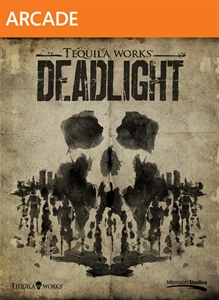
Its a few days early to think about April’s Games with Gold promotion (don’t forget to get Dungeon Defenders for the next few days), but we’re ready for the new selection! At this point in time, we only know the first game XBOX is offering for free, but its a full retail release. Hitman: Absolution ($19.99) will be available April 1-15 and the second half of the month is most likely an undetermined Xbox Live Arcade game Deadlight ($14.99).


April 1 – 15 – Hitman: Absolutionhitman absolution xbox live 360 games with gold april

The Games on Demand version supports English Download the manual for this game by locating the game on http://marketplace.xbox.com and selecting “See Game Manual”. Wear the suit of the ultimate assassin, you have the ability to blend into plain sight, kill with your bare hands and fashion a weapon from almost anything. You are Agent 47, the world’s deadliest assassin.

Metacritic – 79


April 16-31 – Deadlight
xbox live 360 games with gold april deadlight

The world has ended. There is no hope. No new beginning. Only the survivors. DEADLIGHT follows the journey of Randall Wayne, a man searching for his family across Seattle during the aftermath of a 1980s event that has decimated life on earth. This visually stunning Cinematic Survival Platformer will challenge you to run, jump, climb, and struggle for your life as you look for answers and the ones you love.

Metacritic – 68

Captain America on set of AVENGERS 2: AGE OF ULTRON

0

One more Avenger to add to the roster seen on set of AGE OF ULTRON. Captain America has made his appearance (albeit a stunt double), on a scene involving a moving truck where he is apparently riding on the top and knocked off. We have photos of his outfit, as well as a video showcasing some filming that was done that day.

The new outfit looks very much like his retro outfit seen in Captain America: The First Avenger and in some scenes of The Winter Soldier (releasing in theaters this Friday, April 4). While we can’t confirm or deny anything about the movie, the truck he is riding on says U-GIN which may be something, but probably is a random truck.

Have a peek at Cap below and watch the video to see how practical these stunts are for the film!


AGE OF ULTRON: More Hawkeye and Scarlet Witch Photos

0

Have you seen enough on set photos from AVENGERS 2: AGE OF ULTRON yet? We haven’t either. The latest batch of shots show Jeremy Renner and Elizabeth Olson as Hawkeye and Scarlet Witch, respectively. These are high-resolution photos than those released before and give us a greater look at the new Hawkeye outfit from the film.

Whats weird is Olson seems to be wearing a regular coat in the background of one shot, perhaps she de-robes later as her powers are needed? Either way, enjoy!

 
avengers 2 age of ultron hawkeye scarlet witch

UpperDeck Announces Legendary: Marvel Villains Deck Building Game

1

Last year, I was able to pick up Legendary: Marvel Deck Building game from UpperDeck entertainment. It is a card game that lets you recruit heroes into your deck, so they can be used to increase your power and abilities to defeat the Mastermind and his villains. The concept is hard to wrap your head around at first if you’re new to the deck building genre, but once the first game is done, there’s a simplicity and depth to the game that brings you back for more. For the uninitiated, all the cards you need to play are in the box. You do not buy booster packs, but they release quarterly expansions to add characters to the ever expanding roster of heroes and villains.

legendary_villainsSince the original game has come out, there have been one big and two small expansions. Dark City was the first big expansion and brought more X-Men to the table than you can shake a stick at, plus some more street level heroes (Blade, Daredevil, Punisher). The second release saw Fantastic Four come to the game. This of course gave us the team plus Silver Surfer and some galactic level threats (Galactus and his heralds). Currently, this month, Paint the Town Red brought some spider-friends into the fold, including Moon Knight and Carnage!

As of 2014 GAMA Trade Show upper deck has announced the next big box expansion and it is taking the Legendary concept to new levels. This new release flips the players roles and puts them into the villains seat. The hero deck is now the villain deck, and you’ll recruit baddies to be on your side. You’ll start with a Hydra Hand instead of SHIELD agents, and there will be a new wounds and bystander cards with different abilities added as well. We don’t have the specifics yet on the game’s characters, but will definitely be picking this up when it releases this June.


Official news from UpperDeck:

[alert variation=”alert-success”]On June 25th, the new Legendary: Marvel Deck Building Game box will be released.  Brenner confirmed that Legendary: Marvel Villains Deck Building Game is a reboot of the core set for theLegendary: Marvel Deck Building Game.  “When I say rebooting:  all new art, new mechanics and the catch is, you’re actually playing as the villains against the good guys, rather than the heroes against the villains.”  He said the “Mastermind” role will be played by heroes like Professor X or Odin, but the “Mastermind” name will change.

“They have their plans they’re trying to accomplish as good guys, and as the villains, you’re trying to thwart that,” Brenner explained.  “So it’s going to be more PvP-centric.  We renewed all the starting hands; they’re going to be Hydra hands; it’s going to be really interesting.  I liken (game play) to any time there was a cool Star Trek mirror universe episode, those were the coolest episodes on the planet.”

Brenner went on to confirm that while this is a new starter, it will be compatible with all existing product, and that Upper Deck will continue to produce the first core product.  “The first set is not being retired.  We’re very sensitive to that.  I think this is a good starting point for new players.  I think it’s a good different way to play for current players.  It’s a fun alternative way to play the game,” he said.  “These will both live on the shelf, at the same time.”

Legendary: Marvel Villains Deck Building Game box will include 500 cards, a game board and a rulebook.  MSRP is $59.99.

[/alert]


Source: ICv2 | BoardGameGeek

On-Set Video of AVENGERS 2: AGE OF ULTRON

0

To accompany the multitude of behind-the-scenes photos from AVENGERS 2: AGE OF ULTRON this week, we get a 7 minute video of them actually making the movie too. There is no audio in the film, but you can obviously see how the movie’s production is going.

In the video you can see Scarlet Witch, Quicksilver, Ultron, and fan favorite, Joss Whedon! There seems to be flames, rocks, and explosions going on too. I’m not sure what part of the movie this takes place in, but we can definitely tell that its going to be action packed.

Watch the video below for your first peek of Avengers 2: Age of Ultron!

First TEENAGE MUTANT NINJA TURTLES Trailer Arrives

0

I know a lot of people who affectionately remember the TEENAGE MUTANT NINJA TURTLES. I was not one of them. From their exploits in live action movies, the undoubtedly 90’s cartoon show, and even their humble beginnings as comic book characters, people have adored the Turtles for 30 years now, and this year they get another chance at a live action/CGI movie.

Titled (appropriately) Teenage Mutant Ninja Turtles, it sees Megan Fox as April O’Neil, William Fichtner as Shredder, and Will Arnett as Vern Fenwick, another live action character, but I honestly can’t even tell you who are playing the Turtles in the movie. Either way, watch the new trailer and let us know what you think of their new looks.


Synopsis for the film

[alert variation=”alert-info”]

“The city needs heroes. Darkness has settled over New York City as Shredder and his evil Foot Clan have an iron grip on everything from the police to the politicians. The future is grim until four unlikely outcast brothers rise from the sewers and discover their destiny as Teenage Mutant Ninja Turtles. The Turtles must work with fearless reporter April and her wise-cracking cameraman Vern Fenwick to save the city and unravel Shredder’s diabolical plan.”

[/alert]